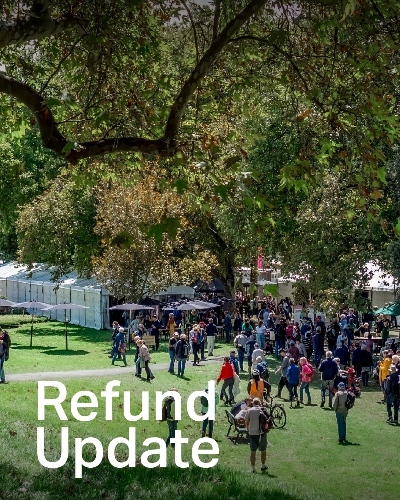
© Facebook Adelaide Writers' Week
Лютий 2026 року став для австралійського літературного середовища місяцем гучних дискусій і водночас символічних зрушень. Після конфлікту та скасування Adelaide Writers’ Week частина авторів, серед яких — Нобелівський лауреат Дж. М. Кутзее, ініціювали новий фестиваль Constellations. Подія, що зібрала понад сто письменників, позиціонувала себе як майданчик для відкритого обговорення свободи слова, ролі інтелектуала в суспільстві та меж культурної відповідальності. Деякі менеджери культурних інституцій відзначали, що криза відкрила можливість для переосмислення формату літературних подій — від централізованих програм до більш горизонтальних ініціатив, де автори мають ширший вплив на зміст дискусій. У виступах письменників звучали заклики зберегти автономію мистецтва, не зводячи його до інструмента ідеологічних протистоянь. Водночас частина критиків зауважувала, що сама поява паралельної події свідчить про глибшу фрагментацію культурного середовища Австралії. На тлі цієї полеміки особливої ваги набула новина про перемогу поетки Евелін Аралуен на Victorian Premier’s Literary Awards. Її збірка The Rot, відзначена грошовою премією у 125 тисяч доларів, стала однією з найбільш обговорюваних книжок року. Тексти, що працюють із темами колоніальної спадщини, історичної пам’яті та сучасної політики, отримали також нагороду в категорії Indigenous Writing. Критики наголошують, що успіх Аралуен демонструє зміну літературного канону — зростає увага до голосів корінних авторів і до поезії як форми політичного висловлювання. Літературна сцена країни переживає момент, коли питання свободи висловлювання, культурної відповідальності та репрезентації стають не периферійними, а центральними для її подальшого розвитку.
Adelaide Writers’ Week — один із найстаріших і найпрестижніших літературних фестивалів Австралії, заснований у 1960 році як частина Adelaide Festival. Фестиваль відомий відкритими публічними дискусіями про літературу, політику й суспільство та вважається ключовою платформою літературного діалогу в країні.
Australia’s Literary February Signals a Reframing of the Space for Free Expression
February 2026 became a month of intense debate and symbolic shifts for Australia’s literary community. Following the conflict and cancellation of Adelaide Writers’ Week, a group of authors — including Nobel laureate J. M. Coetzee — launched a new festival, Constellations. Bringing together more than one hundred writers, the event positioned itself as a platform for open discussion on freedom of speech, the role of the intellectual in society, and the limits of cultural responsibility. Some cultural managers noted that the crisis created an opportunity to rethink the format of literary events — moving from centralized programming toward more horizontal initiatives in which authors exert greater influence over the content of discussions. In their speeches, writers called for preserving the autonomy of art and resisting its reduction to an in strument of ideological confrontation. At the same time, some critics observed that the very emergence of a parallel event points to deeper fragmentation within Australia’s cultural landscape. Amid this debate, particular attention was drawn to the victory of poet Evelyn Araluen at the Victorian Premier’s Literary Awards. Her collection The Rot, awarded a cash prize of 125,000 dollars, became one of the most discussed books of the year. Engaging with themes of colonial legacy, historical memory, and contemporary politics, the work also received recognition in the Indigenous Writing category. Critics emphasize that Araluen’s success reflects a shift in the literary canon, with growing attention to Indigenous voices and to poetry as a form of political expression. Australia’s literary scene is experiencing a moment in which questions of free expression, cultural responsibility, and representation are no longer peripheral but central to its future development.
Adelaide Writers’ Week is one of Australia’s oldest and most prestigious literary festivals, founded in 1960 as part of the Adelaide Festival. Known for its open public discussions on literature, politics, and society, it is regarded as a key platform for literary dialogue in the country.
2070