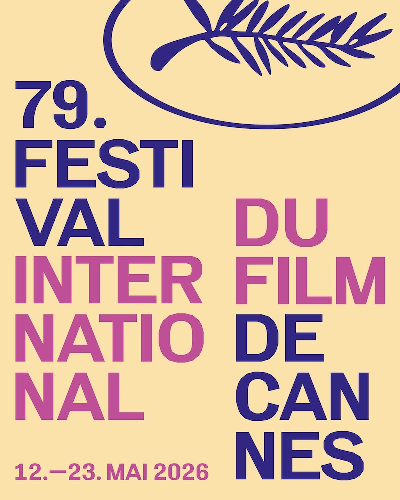
©
Каннський кінофестиваль вже встиг стати одним із найбільш обговорюваних у професійному кінематографічному середовищі через зміну самого балансу сил у світовому кіно. Провідні медіа — від Variety і Deadline до Le Monde, Reuters та Sight & Sound — сходяться в одному: цьогорічний Каннський фестиваль демонструє поворот до авторського, політичного та більш «європейського» кінематографа.
Однією з головних особливостей 79-го фестивалю стала помітно слабша присутність американських студій. У головному конкурсі представлено лише кілька американських проєктів, серед яких — «Паперовий тигр» Джеймса Грея з Адамом Драйвером та Скарлетт Йоханссон. Критики пов’язують це з кризою авторського кіно у США після страйків сценаристів і домінування стримінгових платформ. Le Monde навіть назвав нинішній Каннський фестиваль «найменш голлівудським за останні роки».
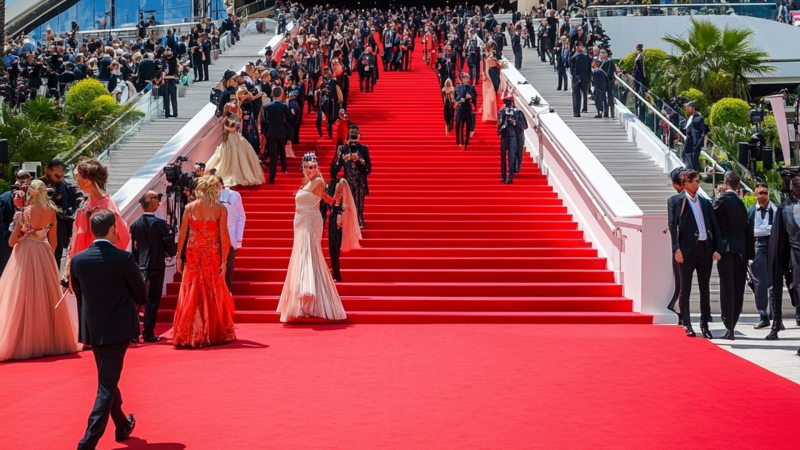
https://mahospitalityclub.com/
Водночас у програмі кінофоруму домінують режисери з Азії, Близького Сходу та Східної Європи. Багато критиків уже відзначають повернення «політичного Канна» — кіно про війну, травму, ідентичність і соціальну напругу. Особливий інтерес викликають роботи Асгара Фархаді, Рюсуке Хамагучі та На Хон Джина. Журі цьогоріч очолює культовий південнокорейський режисер Пак Чхан Ук — автор фільмів «Олдбой» (2003) та «Рішення піти» (2022). Його призначення критики сприйняли як сигнал про переорієнтацію фестивалю на сміливе жанрове та авторське кіно. До складу журі також увійшли Демі Мур, Хлоя Чжао, Стеллан Скашгорд, Рут Негга та сценарист Пол Лаверті — багаторічний співавтор Кена Лоуча.
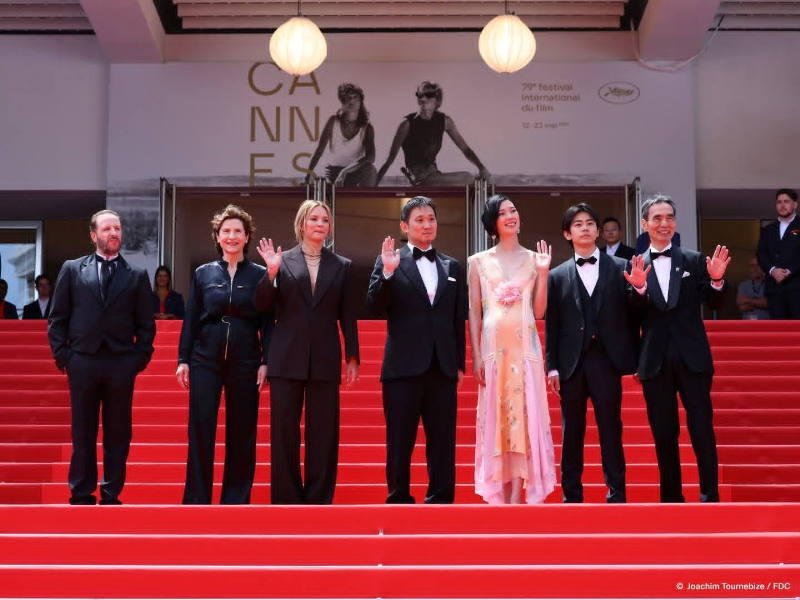
Amane Media and marketing hub
Серед уже гучних подій фестивалю — прем’єра фільму «Gentle Monster» австрійської режисерки Марі Кройцер із Леа Сейду та Катрін Деньов. Стрічка, присвячена темі сексуального насильства та моральної неоднозначності, викликала одну з перших серйозних дискусій фестивалю. Reuters зазначає, що фільм уже називають одним із найемоційніших конкурсних показів року.
Канни-2026 також запровадили суворіші правила щодо дрес-коду: організатори намагаються повернути акцент із вірусних fashion-провокацій назад до кіно. Заборонені надто відверті сукні, громіздкі шлейфи та «епатаж заради соцмереж». Це вже викликало суперечки між стилістами та організаторами фестивалю.
Ще одна тема дискусій — гендерний баланс. Попри символічний постер фестивалю з кадром із фільму «Тельма і Луїза», критики наголошують: у головному конкурсі лише 5 із 22 стрічок зняті жінками. Французькі кіножурналісти вже назвали це «кроком назад» після більш прогресивних попередніх років.
На Круазетт цього року повернулося відчуття «серйозного фестивалю», де головне — не гламур, а майбутнє авторського кіно. Саме про це сьогодні пишуть оглядачі провідних міжнародних медіа.
Cannes 2026: Less Hollywood, More Auteur Cinema and Politics
The Cannes Film Festival has already become one of the most discussed events in the professional film community due to the shifting balance of power in world cinema. Leading media outlets — from Variety and Deadline to Le Monde, Reuters, and Sight & Sound — agree on one thing: this year’s Cannes Film Festival demonstrates a shift toward auteur, political, and more distinctly European cinema.
One of the main features of the 79th festival has been the noticeably weaker presence of American studios. Only a few U.S. productions are featured in the main competition, including James Gray’s “Paper Tiger” starring Adam Driver and Scarlett Johansson. Critics associate this with the crisis of auteur cinema in the United States following the screenwriters’ strikes and the dominance of streaming platforms. Le Monde even described this year’s Cannes Film Festival as “the least Hollywood-oriented in recent years.”
At the same time, the festival program is dominated by directors from Asia, the Middle East, and Eastern Europe. Many critics have already noted the return of a “political Cannes” — cinema focused on war, trauma, identity, and social tension. Particular attention has been drawn to the works of Asghar Farhadi, Ryusuke Hamaguchi, and Na Hong-jin.
This year’s jury is headed by acclaimed South Korean director Park Chan-wook, the filmmaker behind “Oldboy” (2003) and “Decision to Leave” (2022). Critics have interpreted his appointment as a signal that the festival is shifting toward bold genre filmmaking and auteur cinema. The jury also includes Demi Moore, Chloé Zhao, Stellan Skarsgård, Ruth Negga, and screenwriter Paul Laverty, the longtime collaborator of Ken Loach.
Among the festival’s major events is the premiere of “Gentle Monster” by Austrian director Marie Kreutzer, starring Léa Seydoux and Catherine Deneuve. The film, which explores themes of sexual violence and moral ambiguity, has sparked one of the festival’s first major debates. Reuters notes that the movie is already being described as one of the most emotionally powerful competition screenings of the year.
Cannes 2026 has also introduced stricter dress code rules: organizers are trying to shift the focus away from viral fashion provocations and back toward cinema itself. Excessively revealing dresses, oversized trains, and provocative fashion designed for social media attention are now discouraged. This has already sparked controversy between stylists and festival organizers.
Another major topic of discussion is gender balance. Despite the festival’s symbolic poster featuring a scene from “Thelma & Louise,” critics point out that only 5 of the 22 films in the main competition were directed by women. French film journalists have already described this as “a step backward” after the more progressive editions of recent years. This year, the Croisette has regained the atmosphere of a “serious festival,” where the focus is not glamour, but the future of auteur cinema. This is precisely what leading international media commentators are writing about today.
1797