© PUBLICITĀTES FOTO
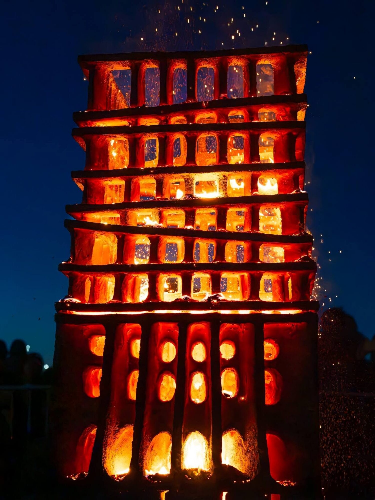
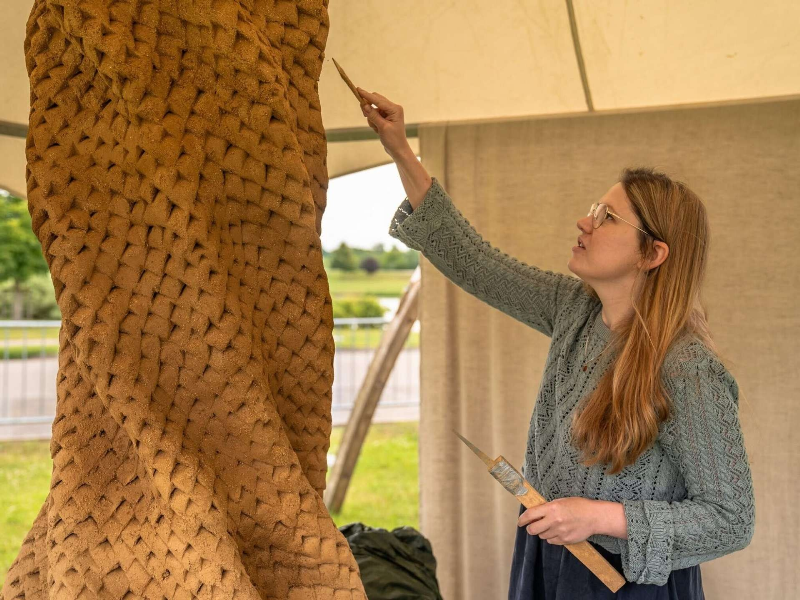
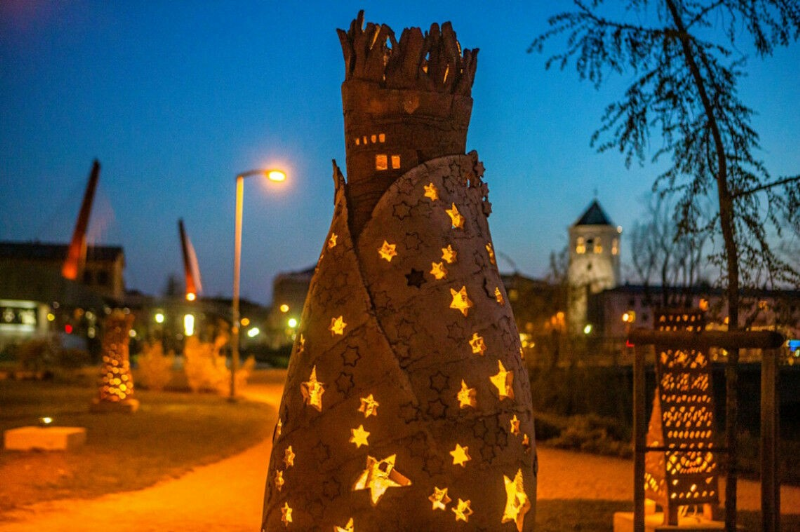
У латвійському місті Єлгава триває XIV Міжнародний симпозіум великоформатної керамічної вогняної скульптури, центральною темою якого цього року стала «Ідентичність». До 21 червня на острові Паста відвідувачі можуть спостерігати за народженням монументальних артоб’єктів просто неба та в режимі реального часу знайомитися з творчим процесом художників. Уже з 22 червня завершені роботи стануть частиною відкритої експозиції. Серед учасників — Гунтіс Свікуліс (Латвія/Велика Британія) зі скульптурою «Знаходження себе у сплетінні протилежностей», Яніс Лейманіс (Латвія) з роботою «Ідентичність міста», Ієва Юрка (Латвія) з композицією «На шляху до цілісності» та Кярт Сеппель (Естонія), яка представляє скульптуру «Тінь ангела». Художньою керівницею проєкту є латвійська мисткиня Ілзе Емсе. Організатори зазначають, що обрана тема покликана спонукати митців до осмислення особистих і суспільних трансформацій засобами сучасної керамічної пластики. Однією з особливостей симпозіуму є поєднання відкритого творчого процесу з фінальним нічним випалом, під час якого скульптури проходять термічне перетворення й стають довговічними мистецькими об’єктами.
PUBLICITĀTES FOTO
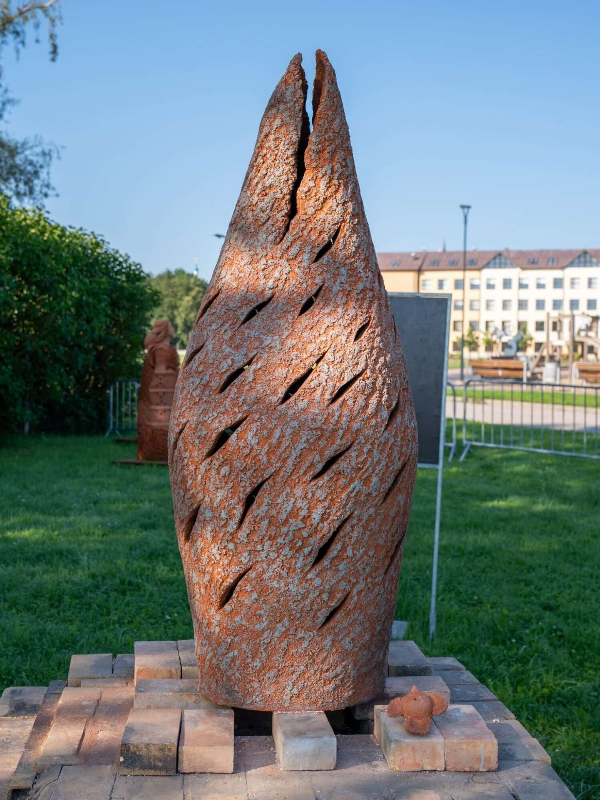
Для створення робіт використовується шамот — різновид вогнетривкої глини, традиційний для історичного регіону Земгале. Цей матеріал вирізняється високою міцністю та стійкістю до екстремальних температур, що робить його ідеальним для виготовлення великоформатних скульптур, призначених для експонування просто неба. Кульмінацією заходу стане нічне випалювання скульптур у день літнього сонцестояння — 21 червня. Під час видовищного процесу температура сягатиме близько 1000 °C, після чого пластичні форми остаточно затвердіють і перетворяться на завершені мистецькі твори.
PUBLICITĀTES FOTO
Довідка:
Земгале (латис. Zemgale) — один із п’яти історико-культурних регіонів Латвії, розташований на півдні країни поблизу кордону з Литвою. Його центром є Єлгава. Регіон відомий не лише своїми родючими рівнинами, а й багатою історичною спадщиною давнього балтійського племені земгалів та активним розвитком сучасних культурних ініціатив. Важливою складовою місцевих ремісничих традицій є робота з глиною. Земгале має значні поклади якісної сировини, яка століттями використовувалася для виробництва цегли, кераміки та декоративних виробів. Особливе місце посідає шамот — матеріал, що поєднує вогнетривку глину з подрібненою випаленою керамікою. Завдяки своїй винятковій міцності та термостійкості він широко застосовується у створенні монументальних скульптур, здатних десятиліттями зберігатися під відкритим небом.
Publicitātes attēls
Large-Scale Fire Sculptures Exploring Identity Take Shape in Latvia’s Jelgava
The 14th International Large-Scale Ceramic Fire Sculpture Symposium is currently underway in the Latvian city of Jelgava, with “Identity” serving as the central theme of this year’s event. Until 21 June, visitors to Pasta Island can watch monumental artworks being created in the open air, gaining a rare behind-the-scenes insight into the artists’ creative process as it unfolds. From 22 June, the completed sculptures will go on public display as part of an outdoor exhibition. This year’s participants include Guntis Svikulis (Latvia/United Kingdom) with Finding Yourself in the Tangle of Opposites, Jānis Leimanis (Latvia) presenting City Identity, Ieva Jurka (Latvia) with On the Way to Wholeness, and Kärt Seppel (Estonia), whose contribution is titled Angel’s Shadow. The symposium’s artistic director is Latvian artist Ilze Emse.
According to the organisers, the theme of identity is intended to encourage artists to reflect on both personal and societal transformation through the medium of contemporary ceramic sculpture. One of the symposium’s defining features is the combination of an open creative process with a dramatic overnight firing ceremony, during which the sculptures undergo a thermal transformation and become permanent works of art. The sculptures are made from chamotte, a type of refractory clay traditionally associated with Latvia’s historic Zemgale region. Renowned for its exceptional durability and resistance to extreme temperatures, the material is particularly well suited to the creation of monumental outdoor artworks designed to withstand the elements for decades. The event will culminate on 21 June, coinciding with the summer solstice, when the sculptures will be fired overnight in a spectacular public display. During the process, temperatures will reach approximately 1,000°C, permanently hardening the clay and transforming the pieces into finished works of art.
Background
Zemgale is one of Latvia’s five historical and cultural regions, located in the south of the country near the Lithuanian border, with Jelgava serving as its principal city. The area is known not only for its fertile agricultural plains but also for the rich heritage of the ancient Semigallian people and its continuing investment in contemporary cultural initiatives. Clay craftsmanship has long been an integral part of Zemgale’s artisanal traditions. The region possesses abundant deposits of high-quality clay that have been used for centuries in the production of bricks, ceramics and decorative objects. Particularly significant is chamotte—a material produced by combining refractory clay with finely crushed fired ceramic fragments. Its exceptional strength and thermal stability have made it a preferred medium for monumental sculptures intended for long-term outdoor display.
1766