© www.tnb.ro
Цей список сформовано на основі оцінок і аналітики провідних театральних критиків Румунії — зокрема Ольтіци Кінтек, Крістіни Модреану та Оани Крістеа Ґріґореску, чиї тексти в профільних і міжнародних виданнях формують сучасний театральний дискурс країни. На їхню думку цей театральний сезон не можна назвати спокійним або передбачуваним. Замість естетичної дистанції сцена дедалі частіше обирає пряму розмову — інколи різку, інколи незручну, але завжди точну. Сучасний румунський театр усе менше зосереджується на формі як самоцілі й дедалі більше — на здатності мистецтва реагувати на реальність.
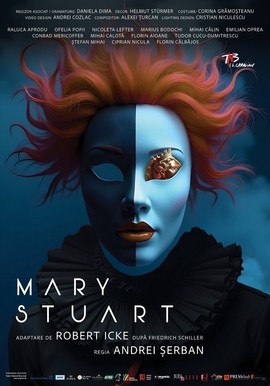
1. Марія Стюарт, реж. Андрей Шербан | драматург: Фрідріх Шиллер (адаптація Robert Icke), Національний театр Бухареста.
Постановку називають «театральною подією року», але ця формула лише частково пояснює її значення. Режисер відходить від історичного наративу й зосереджується на внутрішній логіці влади — як стану, що формує людину і водночас її руйнує. Оана Крістеа Ґріґореску (Teatrul Azi) підкреслює, що вистава показує владу як систему, що діє одночасно на рівні психіки і політики.
2. Пророк Ілля, реж. Ботонд Надь | драматург: Тадеуш Слободзянек, Національний театр Бухареста.
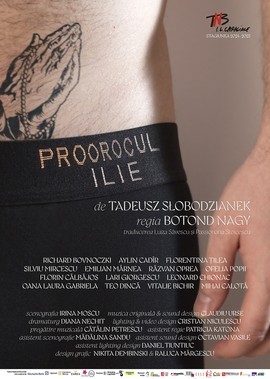
Це одна з найжорсткіших вистав сезону. Вона не залишає глядачеві дистанції — лише досвід прямого переживання. Крістіна Модреану (Critical Stages) зазначає, що сучасний театр дедалі більше стає простором конфронтації з реальністю, а не її зображенням — і ця постановка є прямим підтвердженням цієї тенденції.
3. Річард III, реж. Іштван Албу | драматург: Вільям Шекспір, Teatrul de Nord, Сату-Маре.
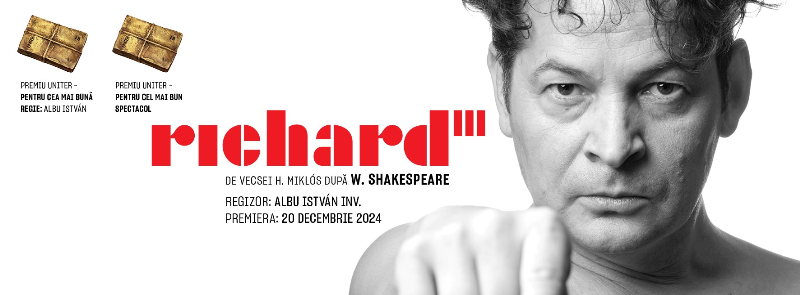
Вистава викликала гучний резонанс і вийшла за межі професійного середовища. Шекспір тут звучить сучасно, а влада постає як система — холодна й раціональна. Ольтіца Кінтек (Observator Cultural) наголошує, що сучасні інтерпретації класики дедалі частіше стають інструментом осмислення сьогодення.
4. Йона реж. Сільвіу Пуркерете | драматург: Марін Сореску, Національний театр “Radu Stanca”, Сібіу.
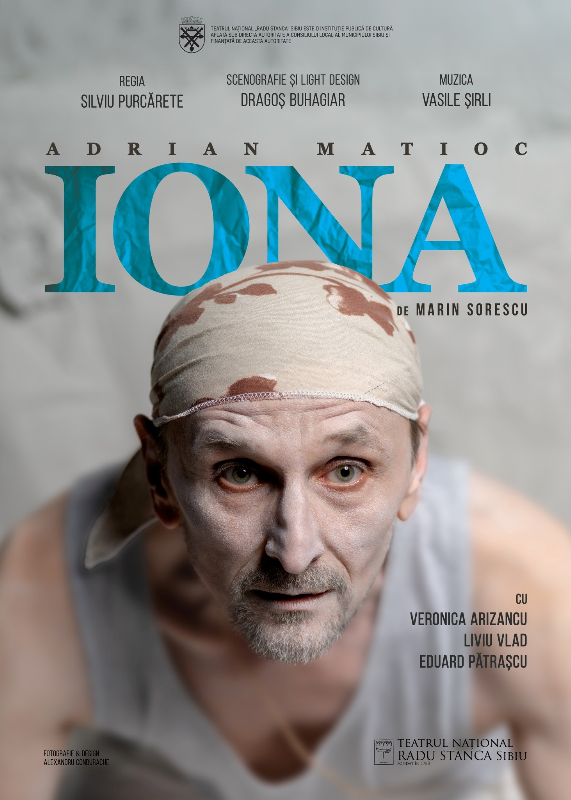
Це екзистенційна сценічна медитація про самотність, людину і світ. Режисер створює простір, у якому глядач не спостерігає, а існує всередині вистави. У своїх матеріалах у Teatrul Azi критики, зокрема Оана Крістеа Ґріґореску, звертають увагу на те, що подібні постановки працюють не з сюжетом, а з мисленням і внутрішнім досвідом глядача.
5. Урок, реж. Бобі Причоп | драматург: Ежен Йонеско, Національний театр “Marin Sorescu”, Крайова.
Інтелектуальний театр у найчистішому вигляді. Текст Іонеско тут досліджується як система — мова стає інструментом влади, а знання перетворюється на форму контролю. Ольтіца Кінтек (Teatrul Azi) підкреслює, що подібні вистави оголюють механізми домінування, закладені в самій структурі мови.
Довідка:
-
Teatrul Azi — румунський театральний журнал, присвячений аналізу та дослідженню сценічного мистецтва
-
Critical Stages — міжнародний театральний журнал Міжнародної асоціації театральних критиків
-
Observator Cultural — румунський культурно-аналітичний тижневик
Five Productions That Defined Romania’s 2025–2026 Theatre Season
This list is based on the assessments and analysis of leading Romanian theatre critics — notably Oltița Cîntec, Cristina Modreanu and Oana Cristea Grigorescu — whose work in specialist and international publications helps shape the country’s contemporary theatre discourse. In their view, the current season can hardly be described as calm or predictable. Rather than maintaining aesthetic distance, the stage increasingly opts for direct engagement — at times sharp, at times uncomfortable, but consistently precise. Contemporary Romanian theatre is becoming less concerned with form as an end in itself and more focused on its ability to respond to reality.
1. Mary Stuart, Directed by Andrei Șerban | Written by Friedrich Schiller (adaptation by Robert Icke), National Theatre Bucharest
The production has been widely described as “the theatrical event of the year,” though the phrase only partially captures its significance. Șerban moves away from a purely historical narrative, focusing instead on the internal logic of power — as a condition that both shapes and ultimately destroys the individual. Oana Cristea Grigorescu (Teatrul Azi) notes that the production presents power as a system operating simultaneously on psychological and political levels.
2. The Prophet Elijah, Directed by Botond Nagy | Written by Tadeusz Słobodziane, National Theatre Bucharest
One of the most uncompromising productions of the season, it leaves the audience with no distance from the action — only the immediacy of lived experience. Cristina Modreanu (Critical Stages) argues that contemporary theatre increasingly becomes a space of confrontation with reality rather than its representation — and this production stands as a clear example of that shift.
3. Richard III, Directed by István Albu | Written by William Shakespeare, Teatrul de Nord, Satu Mare
The production generated significant public attention, extending beyond the professional theatre community. Shakespeare here resonates with striking contemporary relevance, while power is portrayed as a cold and rational system. Oltița Cîntec (Observator Cultural) emphasises that modern reinterpretations of classical texts increasingly function as tools for understanding the present.
4. Iona, Directed by Silviu Purcărete | Written by Marin Sorescu, National Theatre “Radu Stanca”, Sibiu
An existential stage meditation on solitude, humanity and the world, the production creates a space in which the audience does not merely observe but inhabits the performance itself. In Teatrul Azi, critics including Oana Cristea Grigorescu highlight that such productions operate not through narrative, but through thought and internal experience.
5. The Lesson, Directed by Bobi Pricop | Written by Eugène Ionesco, National Theatre “Marin Sorescu”, Craiova
A striking example of intellectual theatre, the production examines Ionesco’s text as a system rather than a script. Language emerges as a tool of power, while knowledge itself becomes a mechanism of control. Oltița Cîntec (Teatrul Azi) underlines that such productions expose the mechanisms of domination embedded within the very structure of language.
Notes
-
Teatrul Azi — Romanian theatre journal dedicated to the analysis and study of performing arts
-
Critical Stages — international theatre journal published by the International Association of Theatre Critics
-
Observator Cultural — Romanian weekly covering culture, literature, theatre and social issues
2551