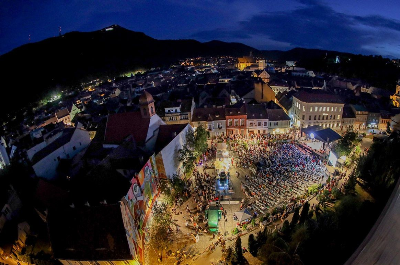
© Facebook FITS
Оголошення концепції Міжнародного театрального фестивалю в Сібіу (FITS) на 2026 рік знову повернуло його в центр культурної дискусії. Один із найбільших фестивалів виконавських мистецтв у Європі — понад 800 подій щороку — став не лише вітриною досягнень, а й індикатором структурних проблем румунської культурної системи. За даними Національного інституту статистики Румунії (INS), у попередні роки понад 45% державного фінансування сценічних мистецтв зосереджувалося у Бухаресті та ще двох великих містах — Клуж-Напоці й Яссах. Як наслідок, у столиці функціонують десятки субсидованих сцен із сучасним технічним оснащенням, тоді як у частині повітових театрів інфраструктура не оновлювалася понад два десятиліття. У деяких культурних центрах сезон обмежений через технічний стан будівель. Під час FITS цей дисбаланс особливо помітний: міжнародні високотехнологічні постановки часто неможливо відтворити на регіональних майданчиках. Культурні менеджери дедалі частіше говорять про явище «культурної еміграції». Хоча окремої офіційної статистики за цим показником немає, дані Євростату та Міністерства праці свідчать: за останнє десятиліття країну залишили сотні тисяч молодих фахівців із вищою освітою, зокрема представники креативних індустрій. За оцінками професійних асоціацій, частина випускників театральних факультетів починає працювати за кордоном уже в перші 3–5 років після завершення навчання, а технічні спеціалісти кіноіндустрії переходять до міжнародних продакшенів. Основними причинами називають стабільніші контракти та кращу інфраструктуру за межами країни.
За даними організаторів фестивалю в Сібіу, відвідуваність театрів після пандемії відновилася, однак нерівномірно: у великих містах фіксують аншлаги, тоді як у менших населених пунктах заповнюваність залів залишається нижчою. Соціологічні дослідження також вказують на зниження регулярного читання серед молоді, домінування цифрового контенту та зростання інтересу до подієвого, фестивального формату споживання культури. Саме тому FITS 2026 робить ставку на гібридні та цифрові формати як відповідь на трансформацію аудиторії. Водночас незалежні трупи продовжують активно розвиватися, однак залишаються залежними від короткострокових грантів. Освітні заклади готують конкурентоспроможних митців, проте ринок не гарантує їм стабільної зайнятості. Формування нової, молодшої аудиторії залишається одним із ключових викликів. Таким чином, FITS 2026 демонструє амбіції — міжнародні копродукції, технологічні рішення, нові формати взаємодії з глядачем. Водночас фестиваль чітко підсвічує системні дисбаланси: концентрацію ресурсів у кількох містах, відтік кадрів, нерівний доступ до культурної інфраструктури та структурні проблеми розвитку галузі.
FITS 2026 Outlined the Real State of Romania’s Cultural Sector
The announcement of the concept for the 2026 edition of the Sibiu International Theatre Festival (FITS) has once again placed it at the center of cultural debate. One of Europe’s largest performing arts festivals — featuring over 800 events annually — has become not only a showcase of achievements but also an indicator of structural problems within Romania’s cultural system.
According to the National Institute of Statistics of Romania (INS), in previous years more than 45% of state funding for the performing arts was concentrated in Bucharest and two other major cities — Cluj-Napoca and Iași. As a result, dozens of subsidized stages in the capital operate with modern technical equipment, while in some county theaters infrastructure has not been updated for over two decades. In certain cultural centers, the season is limited due to the technical condition of the buildings. During FITS, this imbalance becomes particularly visible: international high-tech productions are often impossible to reproduce at regional venues. Cultural managers increasingly speak about the phenomenon of “cultural emigration.” Although no separate official statistics exist for this indicator, data from Eurostat and the Ministry of Labour show that over the past decade hundreds of thousands of young higher-education specialists — including representatives of the creative industries — have left the country. According to professional associations, some theater graduates begin working abroad within the first three to five years after completing their studies, while technical specialists in the film industry move to international productions. The main reasons cited are more stable contracts and better infrastructure outside the country.
According to the festival organizers in Sibiu, theater attendance has recovered after the pandemic, but unevenly: major cities report sold-out performances, while in smaller towns audience occupancy remains lower. Sociological research also indicates a decline in regular reading among young people, the dominance of digital content, and growing interest in event-based, festival-style cultural consumption. For this reason, FITS 2026 focuses on hybrid and digital formats as a response to the transformation of audiences. At the same time, independent troupes continue to develop actively but remain dependent on short-term grants. Educational institutions prepare competitive artists, yet the market does not guarantee them stable employment. Building a new, younger audience remains one of the key challenges. Thus, FITS 2026 demonstrates ambition — international co-productions, technological solutions, and new formats of interaction with audiences. At the same time, the festival clearly highlights systemic imbalances: the concentration of resources in a few cities, talent outflow, unequal access to cultural infrastructure, and structural challenges in the development of the sector.

©
1946