В Іспанії за чотири хвилини пограбували музей: викрадено більшу частину Скарбу Вільєни

31.08.2026
© Historia y Cultura de España

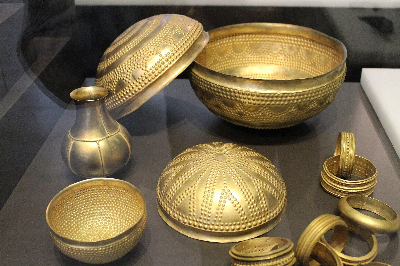
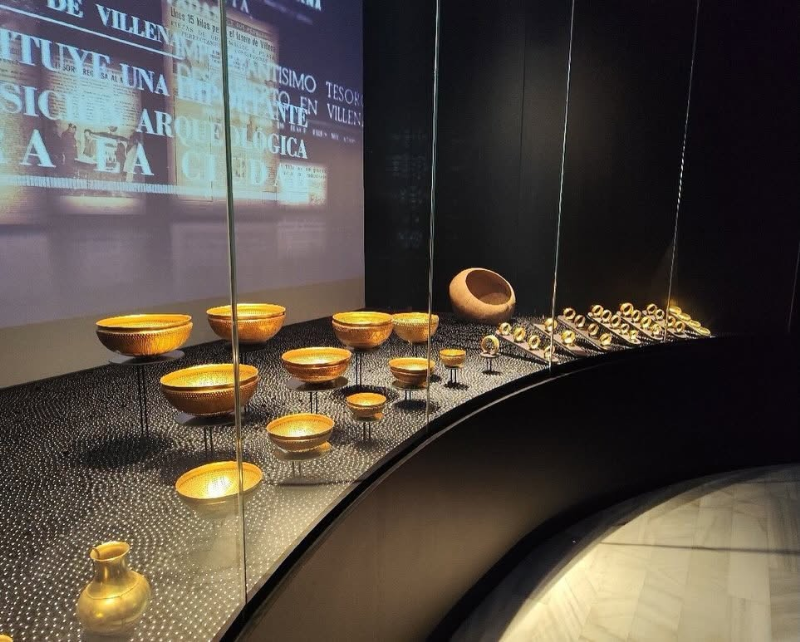
У місті Вільєна в провінції Аліканте злочинці в ніч на 27 серпня пограбували місцевий музей MUVI та винесли більшу частину знаменитого Скарбу Вільєни — одного з найважливіших комплексів золотарства бронзової доби в Європі. Напад тривав менш ніж чотири хвилини. За даними іспанських медіа, грабіжники проникли до будівлі через бічне вікно, розбили захищені вітрини й забрали передусім золоті предмети. Разом із ними з музею зникли три корони Богородиці та Немовляти. Слідство розглядає напад як ретельно підготовлену операцію.
Periódico El Lorquino

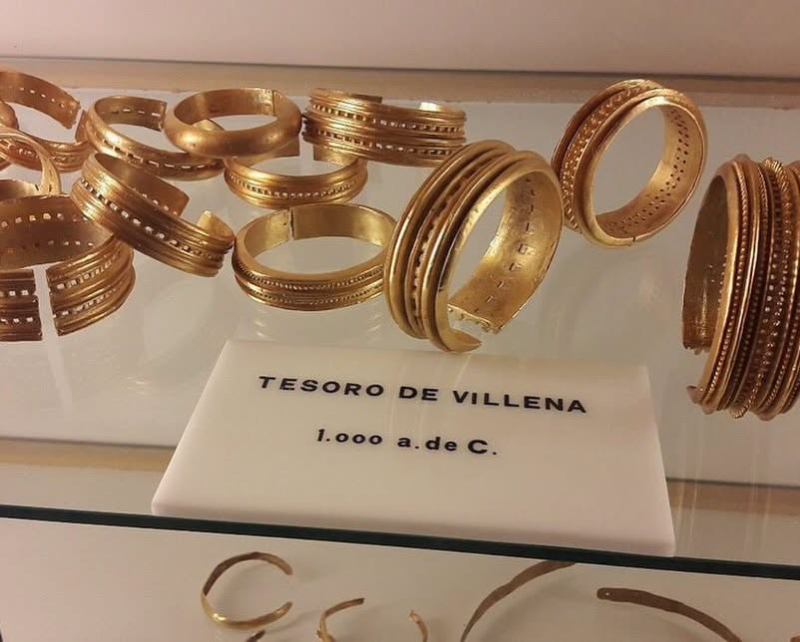
Перші повідомлення створили враження, що були викрадені всі 59 предметів Скарбу Вільєни, однак подальше розслідування уточнило картину. Частину речей — зокрема срібні предмети та надзвичайно цінний з наукового погляду залізний браслет — грабіжники залишили або кинули під час втечі. Скарб Вільєни був знайдений 1963 року археологом Хосе Марією Солером після випадкової знахідки місцевого робітника. Комплекс датують приблизно XIII–X століттями до н. е. До нього входять золоті браслети, чаші, посудини та інші предмети, а також срібло, бурштин і рідкісні вироби із заліза. Два залізні предмети привернули особливу увагу дослідників: аналіз показав, що метал для них походить із метеорита — тобто був використаний ще до широкого поширення технології виплавки заліза на Піренейському півострові.
Periódico El Lorquino

За оцінкою, яку наводить El País, близько десяти кілограмів золота зі скарбу після переплавлення можуть коштувати приблизно €1,2 млн, тоді як музейна й наукова цінність комплексу фактично не піддається грошовій оцінці. Це вже третє подібне пограбування в Іспанії за кілька місяців, у квітні з Археологічного музею Бадахоса викрали 149 золотих монет зі Скарбу Вільянуева-де-ла-Серена. 27 липня з музею Альбасете зникли ще 220 золотих монет XIX століття. У всіх трьох випадках нападники діяли швидко, проникали через вікна або другорядні входи та розбивали вітрини силою. Жодна з цих колекцій на момент останніх повідомлень повністю не повернута. Після серії пограбувань Міністерство культури Іспанії підтвердило, що ще в липні запросило в музеїв країни інформацію про системи безпеки та окремо — про колекції, що містять золото, срібло й дорогоцінне каміння.  
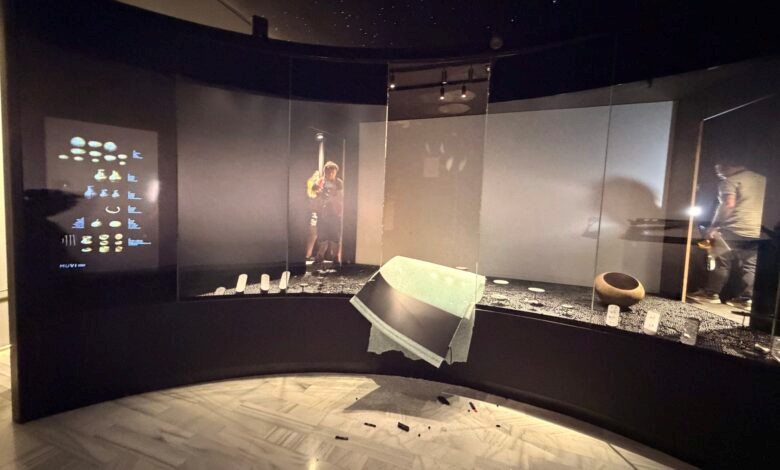
Сам MUVI мав складну систему безпеки: датчики руху, теплові й сейсмічні сенсори, нічні камери, багаторівневу сигналізацію та захищені вітрини. Останню планову перевірку провели 3 серпня — менш ніж за місяць до нападу. Поліція прибула через кілька хвилин після спрацювання сигналізації, але цього часу злочинцям вистачило, щоб зникнути. Крадіжка у Вільєні стала частиною ширшої європейської дискусії, яка різко посилилася після пограбування Лувру 19 жовтня 2025 року, коли серед білого дня з паризького музею викрали вісім коштовностей французької корони. У травні 2026 року французька парламентська комісія назвала стан захисту музейних колекцій «тривожним» і запропонувала 40 рекомендацій — від збільшення фінансування до перегляду управління музеями та підготовки персоналу. У липні Франція представила окремий національний план музейної безпеки: €30 млн на три роки та 33 заходи для музеїв, пам’яток і церков. Паралельно розгорнулася суперечка про те, чи варто найцінніші золоті та ювелірні предмети переносити до сховищ, залишаючи в експозиціях високоякісні копії. Президент французького Національного інституту превентивної археології Домінік Гарсія підтримав такий підхід, тоді як влада Франції застерегла від його перетворення на універсальне рішення.
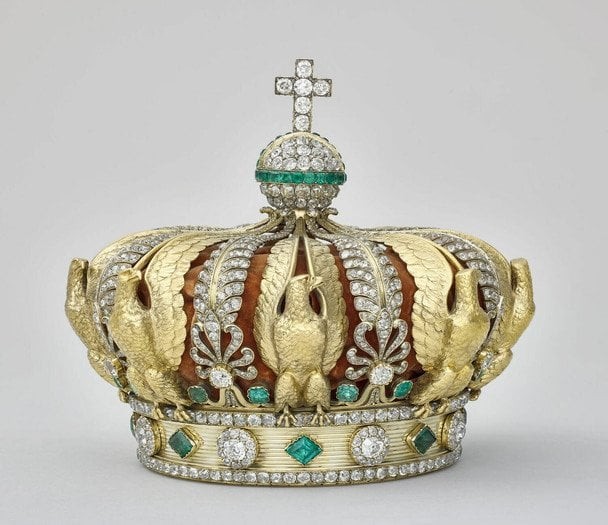
Фото: Stéphane Maréchalle / Musée du Louvre

24 серпня Europol оприлюднив окремий звіт про зміну характеру музейних пограбувань у Європі. Агентство попереджає, що злочинні групи дедалі частіше застосовують агресивні методи — від кувалд і вогнепальної зброї до вибухівки. Ціллю стають передусім предмети, які легко перетворити на гроші: золото, дорогоцінне каміння та ювелірні вироби. У деяких випадках виконавців вербують через соціальні мережі. Зростання вартості золота лише посилює ризик. На відміну від відомих картин, які складно відкрито продати, старовинні золоті речі можна переплавити, а коштовне каміння — вилучити з історичних оправ. Саме ця можливість дедалі частіше визначає вибір цілей для музейних грабіжників.


Museum raided in Spain in four-minute heist as most of the Villena Treasure is stolen

In the city of Villena, in Spain’s Alicante province, thieves broke into the local MUVI museum on the night of 27 August and stole a substantial part of the celebrated Villena Treasure, one of Europe’s most important collections of Bronze Age goldwork. The raid lasted less than four minutes. According to Spanish media, the intruders entered through a side window, smashed reinforced display cases and targeted gold objects in particular. Three crowns associated with the Virgin and Child were also taken. Investigators believe the theft was a carefully planned operation.

Early reports suggested that all 59 objects in the Villena Treasure had been stolen, but subsequent inquiries showed that some pieces were left behind or abandoned during the thieves’ escape, including silver objects and an iron bracelet of exceptional scientific interest. The treasure was discovered in 1963 by the archaeologist José María Soler following a chance find by a local worker. Dating from roughly the 13th to the 10th centuries BC, the hoard includes gold bracelets, bowls, vessels and other objects, as well as silver, amber and rare iron artefacts. Two of the iron pieces have attracted particular attention from researchers after analysis indicated that the metal came from a meteorite, meaning it was used before iron-smelting technology became widespread on the Iberian peninsula.

According to an estimate cited by El País, the roughly 10kg of gold in the treasure could be worth about €1.2m if melted down, while the collection’s archaeological and scientific value is effectively incalculable. The Villena raid is the third major museum theft in Spain in only a few months in which gold appears to have been the principal target. In April, 149 gold coins from the Villanueva de la Serena Treasure were stolen from the Archaeological Museum of Badajoz. On 27 July, a further 220 19th-century gold coins disappeared from the museum in Albacete. In all three cases, the thieves moved quickly, entered through windows or secondary access points and forced open display cases. None of the collections had been fully recovered at the time of the latest reports. Following the series of thefts, Spain’s Ministry of Culture confirmed that in July it had asked museums across the country to provide information on their security systems and, separately, on collections containing gold, silver and precious stones.

MUVI itself had an extensive security system, including motion detectors, thermal and seismic sensors, night-vision cameras, several layers of alarms and protected display cases. The latest routine inspection had taken place on 3 August, less than a month before the break-in. Police arrived within minutes of the alarm being triggered, but by then the thieves had already escaped.

The Villena theft has fed into a wider European debate over museum security that intensified after the Louvre robbery of 19 October 2025, when eight pieces of French crown jewellery were stolen from the Paris museum in broad daylight. In May 2026, a French parliamentary commission described the protection of museum collections as “alarming” and put forward 40 recommendations, ranging from increased funding to changes in museum management and staff training.

France followed in July with a separate national museum-security plan worth €30m over three years and comprising 33 measures covering museums, monuments and churches. At the same time, a debate emerged over whether the most valuable gold and jewellery objects should be moved into secure storage and replaced in exhibitions with high-quality replicas. Dominique Garcia, president of France’s National Institute for Preventive Archaeological Research, backed that approach, while the French authorities warned against treating replicas as a universal solution.

On 24 August, Europol published a separate report on the changing nature of museum crime across Europe. The agency warned that criminal groups are increasingly using more aggressive methods, ranging from sledgehammers and firearms to explosives. Their preferred targets are often objects that can be converted quickly into cash: gold, precious stones and jewellery. In some cases, perpetrators are even recruited through social media.

The rising price of gold has only increased the risk. Unlike famous paintings, which can be difficult to sell openly, historic gold objects can be melted down and gemstones removed from their original settings. That possibility is increasingly shaping the choice of targets for museum thieves across Europe.


96
Інші матеріали розділуМистецтво:
Тенеріфе приймає 30-ту церемонію Premios Dial (Dial Awards), присвячену іспаномовній музиці
2381
Tenerife is once again in the spotlight as the 30th edition of the Premios Dial (Dial Awards) takes place on March 12, bringing together a strong lineup of national and international artists.
Тенор Хаб’єр Андуага вперше виступить у різдвяному Гала-концерті в опері Teatro Real
1703
Madrid’s Teatro Real will present its traditional Christmas gala programme, with the central highlight being the first solo concert appearance of Spanish tenor Xabier Anduaga on the theatre’s stage in recital format.
Саграда Фамілія стала найвищою церквою у світі, перевершивши німецький Ульмський собор
2412
The Sagrada Familia basilica in Barcelona has officially become the tallest church in the world after the first element of the cross was placed atop the Tower of Jesus Christ — the central spire of architect Antoni Gaudí’s monumental project.
Політичні мурали як протест проти дій Путіна: мистецтво говорить голосніше за слова
2958
Across the world, more and more artists are turning to street art as a form of political expression. One of the most striking works is the mural in Barcelona, created by Italian artist TVBoy (Salvatore Benintende).
Геопаркки світу. Як будівельний кар’єр у Марбельї перетворився на концертний майданчик
2792
The Starlite festival venue is set in an open-air natural amphitheatre on the site of the former Nagüeles quarry in Marbella; the location is officially referred to as “Auditorio de Marbella – La Cantera de Nagüeles.”
У Мадриді триває масштабна ретроспектива Маріси Ґонзалес
2594
The Museo Nacional Centro de Arte Reina Sofía in Madrid is currently hosting a large-scale anthological exhibition dedicated to Spanish artist Marisa González, titled Un modo de hacer generativo (A Generative Way of Making).
Walden 7 - архітектурна спроба втілення утопії
2812
У статті для Architectural Digest історик архітектури Вінсент Скаллі описав Walden 7 як «дико експресіоністичний багатоквартирний будинок, частково Гауді, частково Архіграма»